Foundations of Heart Health – Nutrition, Movement and Mindfulness By Vipada Sae-Lao, Nutrition Education and Training Lead – Asia Pacific, Herbalife.
FOUNDATIONS OF HEART HEALTH
We live in an era powered by information, with scientific breakthroughs, advancing technology, rising awareness, and economic progress shaping the way we live and care for ourselves. As access to healthcare improves and health related conversations become more mainstream, one would assume this would translate into fewer health issues.
HEART DISEASE
Yet, ironically, cardiovascular health continues to pose a significant challenge in Malaysia. In fact, according to the Department of Statistics Malaysia, in 2023, ischaemic heart disease remained the second leading cause of death, responsible for 15.1% of all medically certified deaths.
“When we talk about heart health, we still imagine an older person, most likely visibly unwell orunhealthy. But studies suggest that within Asian communities, heart related concerns are developing at a younger age, sometimes silently and even amongst those who appear fit.

Modern work pressures, changing diets, rising stress, and sedentary lifestyles, combined with often-overlooked health indicators are quietly impacting our overall well-being, particularly heart health.”
-According to Vipada Sae-Lao, Nutrition Education and Training Lead – Asia Pacific, Herbalife,
HOW CARDIOVASCULAR SYSTEM
Understanding how the cardiovascular system works is a great first step toward better heart health. The human heart, though small (roughly the size of your fist) is an extraordinary muscle powering your entire body. Each beat sends oxygen-rich blood to every organ, tissue, and cell, while removing waste like carbon dioxide from your body.
FIVE HEART-SMART HABITS
In conjunction with World Heart Day on September 29, 2025, let’s delve into five heart-smart habits that can help protect and strengthen your cardiovascular health.
THE HEART-HEALTHY PLATE
Eating a heart healthy diet involves making some mindful changes every single day, and these simple practices can help:
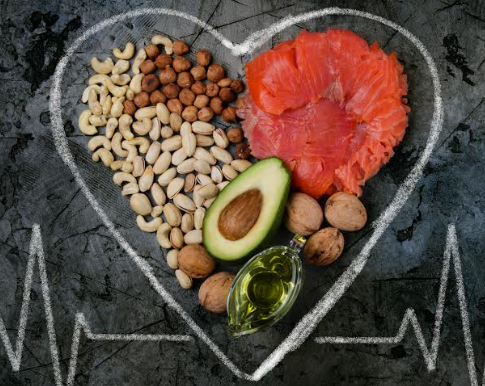
–PRIORITIES WHOLE FOODS : Incorporate fruits, vegetables, whole grains, nuts and seeds for a daily dose of vitamins, minerals, phytonutrients and dietary fiber which support your heart health.
–CHOOSE HEALTHY FATS : Try to consume more heart health oils like olive, flaxseed, peanut, avocado and walnut. Fatty fish (salmon, mackerel and tuna), flaxseeds, walnuts, pumpkin seeds and soybeans are jam-packed with omega-3 fatty acids. Which may lower risk of heart issues. Avoid trans-fat and saturated fats.
-LIMIT SUGAR AND SALT : Obesity and diabetes are significant risk factors for heart disease and high sugar consumption is a major contributor to both. Being judicious about the use of salt in your diet is also an important factor to prevent high blood pressure. Which can increase the risk of heart disease. The right mix of spices and herbs in cooking can mask the need for additional salt in food.
SMALL CHANGES, POWERFUL IMPACT
-Staying physically active supports weight management, helps you look good and also boosts overall health. Physical activities improve circulation and cardiovascular health. Exercise can relax and widen blood vessels and enhances blood flow through the body, nourishing the heart.
BODY’S NATURAL PRODUCTION
Most importantly, it supports the body’s natural production of nitric oxide, a molecule vital for optimal cardiovascular function. Try to get in at least 30 minutes of moderate-intensity physical activity like walking, running, cycling or swimming, every day, or even short walks during a busy day at work.
Getting enough quality sleep is crucial for cardiac health. Yes, as adults we need those 7-9 hours to allow the body to rest and repair!

CUT BACK FOR A HEALTHIER HEART!
Smoking is one of the main causes of cardiovascular disease as it can damage the lining of the arteries and cause a build-up of fatty material that narrows arteries. Even second-hand smoke can increase your risk of stroke by as much as 30%.
ELECTRONIC CIGARETTES
Electronic cigarettes or e- cigarettes also increase the risk of heart disease, so those who use e-cigarettes to attempt to quit conventional cigarettes may need to re-consider. However, the good news is quitting smoking can significantly reduce your risk of cardiovascular disease. However, the good news is quitting smoking can significantly reduce your risk of cardiovascular disease.
REDUCE ALCOHOL CONSUMPTION
Too much alcohol has a negative effect on your heart health, increasing your risks of high blood pressure and obesity. In social settings, simple tricks like drinking water between drinks, low calorie non-alcoholic drinks, sugar free soft drinks, or even just drinking in smaller glasses may help cut back.
STRESS MIGHT BE UNAVOIDABLE
Stress might be unavoidable but how you handle it matters!
Studies show that stress can most likely cause heart disease, as it impacts blood pressure and cholesterol levels. Chronic stress can also trigger unhealthy habits like overeating or smoking and elevate stress hormones like cortisol— thus increasing the risk of heart disease.
Make time for activities that calm you—whether it’s yoga, meditation, deep breathing, or simply things you enjoy. Managing stress isn’t just good for the mind—it’s a powerful way to protect your heart and keep your body in balance. Mindfulness practices have been shown to reduce stress, improve sleep, lower blood pressure, and decrease the risk of cardiovascular disease.

MONITOR KEY METRICS
Tracking your health markers is one of the smartest ways to protect your heart. Regular health check-ups are important; keep your blood pressure, cholesterol and blood sugar levels in check. Annual health checks can go a long way in preventing nasty surprises.
WEARABLE TECHNOLOGY
Like smartwatches and fitness trackers can act as a powerful ally to monitor in real-time parameters like heart rate, blood pressure, glucose levels, activity duration, sleep patterns. This data points can then be used by healthcare professionals to analyse and track cardiovascular health especially for high-risk individuals.
In today’s fast-paced world, taking these simple steps towards a healthier lifestyle can make a
meaningful difference to your heart. Whether you’re starting or building on existing habits, every
positive change adds up.
So, take the first step today! Whether it’s adjusting your plate, pace, or approach, even the
smallest change today can lead to a healthier future.